Ratti Gali Lake: Pakistan’s Hidden Alpine Gem Awaiting Your Discovery

The first time I laid eyes on Ratti Gali Lake, it felt like stepping into a dream—a vivid canvas of sapphire waters cradled by snow-kissed peaks and meadows bursting with wildflowers. As a Pakistani traveler, I had explored many corners of our beautiful country, but nothing prepared me for the untouched serenity of this alpine paradise. It wasn’t just the landscape that captivated me; it was the sense of wonder, the crisp mountain air, and the realization that such a place existed within our own borders. Whether you’re a local adventurer or an international explorer, Ratti Gali Lake promises an experience that transcends the ordinary.
Before visiting, I had seen countless photos online. Friends had described it as breathtaking. Still, no photo or description can truly do justice to what you feel when you stand before that shimmering lake, reflecting towering peaks and sky. There’s a spiritual calm to it, almost like the land itself is whispering stories from centuries past. The vivid red flowers lining the hills (which lend the lake its name) contrast beautifully with the cool blue of the water. In those moments, you realize this isn’t just a destination—it’s a revelation.
We often overlook what’s right in our own backyard. While international travel often tempts us with its allure, Pakistan offers places like Ratti Gali that rival the world’s most stunning natural wonders. This lake, nestled in Azad Jammu and Kashmir, not only boasts unmatched beauty but also a sense of isolation and peace that’s increasingly rare in today’s world. No skyscrapers, no blaring horns, just the wind, water, and the sound of your footsteps crunching on gravel.
My visit began with curiosity but ended in deep admiration. That feeling of awe stayed with me long after I left. I knew then that more people needed to hear about this marvel. It deserves to be known, explored, and most importantly, respected. This guide is for all those who dream of nature’s grandeur, of high-altitude adventures, and of discovering corners of the world that remain largely untouched. Let this be your call to adventure—because Ratti Gali Lake is not just a place; it’s an experience that will forever change how you see Pakistan.
Table of Contents

Where is ratti lake located?
Ratti Gali Lake is one of the most exquisite high-altitude glacial lakes in Pakistan, located in Neelum Valley, Azad Jammu and Kashmir. It lies at an altitude of approximately 12,130 feet (3,700 meters) above sea level and is entirely fed by the surrounding glacier melt. The lake is renowned for its unique blend of natural beauty: the striking blue-green waters, the red-hued rock formations (which give the lake its name), and the vibrant alpine flora that colors the landscape in shades of purple, yellow, red, and pink during the summer months.
The journey to Ratti Gali begins with a drive to Dowarian, a small town nestled in Neelum Valley. From there, visitors must hire a 4×4 jeep to navigate the rugged terrain up to the base camp. The jeep ride, which lasts about 1.5 to 2 hours, is a thrilling experience in itself, winding through narrow paths and offering sweeping views of cascading waterfalls, dense pine forests, and steep hillsides. Once at the base camp, the real adventure begins: a 1.5 to 2-hour moderate trek through lush meadows and streams that eventually leads to the lake.
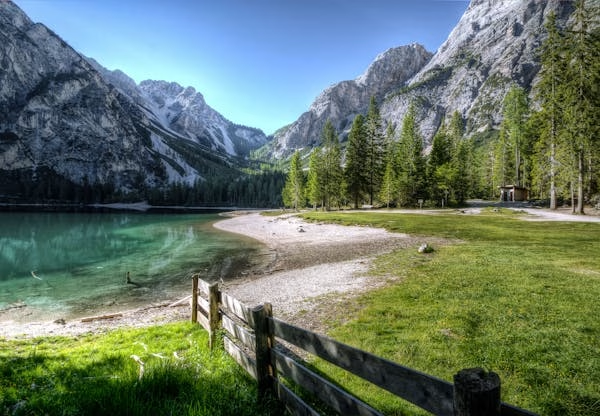
The trail is nothing short of magical. As you ascend, every step brings new sights: herds of goats grazing peacefully, patches of wild primula flowers, and tiny streams trickling across the path. Local guides, often friendly and well-versed in the terrain, accompany visitors and share folklore about the region. The air grows thinner and colder as you climb, but the effort is more than rewarded when you finally lay eyes on the lake. Surrounded by towering cliffs and often partly shrouded in mist, Ratti Gali appears like a mirror dropped from the heavens.
What makes Ratti Gali truly special is its stillness. Unlike many other tourist destinations, it remains relatively untouched. There are no commercial shops, no concrete buildings, and very limited mobile network coverage. It’s a place that invites introspection and reflection. Many visitors choose to camp overnight at the lake, setting up tents near the shoreline. Nights at Ratti Gali are cold, sometimes dropping to near-freezing temperatures even in summer, but the sky—a canopy of stars unmarred by pollution—makes it all worthwhile.
Activities for you
Activities at the lake include trekking around the perimeter, photography, bird watching, and in some cases, short horse rides offered by locals. During the summer, the surrounding fields bloom with a variety of alpine flowers, and you might even spot the Himalayan Monal, a brilliantly colored pheasant that is native to the region. The lake’s pristine waters are also home to small glacial fish, although fishing is discouraged to maintain the delicate ecological balance.
Activities at Ratti Gali Lake
Trekking: Explore various trails that offer different levels of difficulty and scenic beauty.
Camping: Set up tents near the lake for an overnight stay under the stars.
Horse Riding: Available for those who prefer not to trek.
Photography: Capture the stunning landscapes and unique flora and fauna.
Bird Watching: Spot various bird species native to the region.
A little advise
Visitors are advised to come prepared. Because of the high altitude, altitude sickness is a concern for some. Hydration, acclimatization, and pacing are essential. It’s also wise to pack thermal clothing, waterproof jackets, proper hiking boots, sunblock, and sufficient food and water. There are no shops at the lake, so self-sufficiency is key. Additionally, carrying your national identity card (CNIC) is mandatory as it may be required at check posts along the way.
Safety considerations
Safety is another important consideration. Although the trek is not extremely difficult, it does require a reasonable level of fitness. The weather can change rapidly—sunshine can give way to hail or rain within minutes. Therefore, checking the weather forecast and being prepared for all conditions is essential. It’s also best to inform someone of your plans before heading out, especially if you’re not part of a guided group.
One of the most enchanting aspects of Ratti Gali is its ability to surprise you. Just when you think you’ve seen the most beautiful view, a new vantage point offers something even more spectacular. Whether it’s the morning mist dancing over the surface of the water or the way the light hits the surrounding cliffs at sunset, each moment feels like a gift.
There is also a spiritual element to the place. Many locals consider the lake sacred and believe it to be the abode of fairies or jinns. While such tales add an element of mystery, they also underscore the importance of respecting the environment. Visitors are encouraged to follow Leave No Trace principles: avoid littering, minimize campfire impact, and respect wildlife. The area’s fragile ecosystem depends on responsible tourism to remain as breathtaking as it is today.
For those who prefer a less physically demanding experience, limited horse rides are available at the base camp to help ascend towards the lake. These are managed by local villagers and provide a source of income for the community. It’s a good idea to negotiate prices in advance and ensure the animals are treated ethically.
Additional Tips and Safety Precautions
Altitude Sickness: At 12,130 feet, some visitors may experience altitude sickness. Stay hydrated and take breaks as needed.
Weather Preparedness: Weather can change rapidly; carry waterproof clothing and check forecasts before your trip
Essential Gear: Bring warm clothing, sturdy hiking boots, sunblock, and a first aid kit.
Local Regulations: Carry your CNIC; entry into Neelum Valley requires valid identification.
Environmental Responsibility: Practice Leave No Trace principles to preserve the natural beauty of the area.
Key Features and Attractions
Glacial Beauty: Situated at an elevation of approximately 12,130 feet (3,700 meters), Ratti Gali Lake is a glacial marvel fed by the surrounding snow-capped peaks.
Flora and Fauna: The area is rich in biodiversity, home to wildflowers like primulas and gentians, and wildlife including the Himalayan monal and Kashmir stag.
Scenic Trails: The trek to the lake offers breathtaking views of waterfalls, streams, and lush meadows, making the journey as rewarding as the destination.
Reasons to Visit
Adventure: The combination of jeep rides and trekking provides an adrenaline-filled experience for adventure seekers.
Photography: The lake’s mirror-like surface and vibrant surroundings offer perfect opportunities for photography enthusiasts.
Tranquility: Away from the hustle and bustle, the lake offers a peaceful retreat for those looking to reconnect with nature.
Best Time to Visit
The ideal time to visit Ratti Gali Lake is between July and September when the weather is pleasant, and the lake is accessible. During this period, the trails are clear, and the flora is in full bloom.
From Islamabad: Approximately 237 km via Muzaffarabad to Dowarian.
From Dowarian: Hire a 4WD jeep for a 2-hour ride to the base camp, costing around PKR 5,000 to PKR 7,000.
Trek to the Lake: From the base camp, embark on a 1.5 to 2-hour trek to reach the lake.
A glimpse into cultural aspect
Culturally, the journey to Ratti Gali also offers glimpses into the lives of the people of Neelum Valley. Along the way, you’ll pass wooden huts, terraced fields, and perhaps even get a chance to chat with locals about their way of life. Hospitality is a cornerstone of the culture in this region. A simple cup of chai shared at a roadside stall can become a memorable part of your journey.
In summary, Ratti Gali Lake isn’t just a travel destination—it’s a multi-sensory experience. It challenges your body, enchants your eyes, and soothes your soul. It’s where you disconnect to reconnect, where nature’s silence speaks louder than city noise. Whether you’re an avid trekker, a nature lover, or someone simply in search of peace, this hidden alpine jewel in the heart of Pakistan offers something truly transformative.

Reflecting on my journey to Ratti Gali Lake, I am reminded of the profound peace and awe that nature can inspire. The lake’s pristine beauty and the adventure of reaching it left an indelible mark on my soul. For those yearning to escape the mundane and immerse themselves in nature’s splendor, Ratti Gali Lake awaits. Pack your bags, respect the environment, and embark on a journey that promises not just breathtaking views but also a deeper connection with the natural world.
There is something timeless about Ratti Gali. Perhaps it is the silence, broken only by the sound of water lapping against rock or wind rustling through grass. Perhaps it’s the feeling of being dwarfed by nature, of understanding one’s place in a much larger world. It is in such places that we find clarity, where worries fade, and perspective returns.
If you are looking for a journey that feeds your spirit as much as your wanderlust, this is it. Do not wait for the perfect moment. Make it. Visit Ratti Gali Lake, and let it change you as it did me. You won’t regret it. In fact, you’ll likely leave a piece of your heart behind, nestled among the red stones and blue waters, waiting for you to return.
The Takeaway
Traveling in Pakistan is both exciting and accessible because to its varied transportation system. Every type of traveler has an alternative, from the convenience of ride-hailing services to the affordability of buses and trains.
Metro busses, Careem, and Uber are the most convenient means of transportation for brief city excursions. Pakistan’s picturesque train routes and opulent bus services offer comfortable and reasonably priced long-distance travel. The quickest option to travel long distances is still by domestic flight, particularly when traveling to far-flung northern locations.
Are you prepared to travel to Pakistan? Plan your vacation now to take advantage of the amazing nation’s transportation infrastructure!
Explore carefully planned tours to see the best of this fascinating nation. Please get in touch if you would need more travel advice; we are happy to assist you in organizing your upcoming journey! Additionally, by completing this form, you can personalize your journey.
FAQs – Everything You Need to Know
1. What is the best time to visit Ratti Gali Lake?
The optimal time is between July and September when the weather is favorable, and the lake is accessible.
2. How do I reach Ratti Gali Lake from Islamabad?
Travel approximately 237 km via Muzaffarabad to Dowarian, then hire a 4WD jeep to the base camp, followed by a trek to the lake.
3. Is camping allowed at Ratti Gali Lake?
Yes, camping is permitted near the lake, and it’s a popular activity among visitors.
4. Are there any accommodation options near the lake?
While there are no hotels at the lake itself, nearby towns like Sharda offer various lodging options.
5. What activities can I do at Ratti Gali Lake?
Activities include trekking, camping, horse riding, photography, and bird watching.
6. Is the trek to Ratti Gali Lake difficult?
The trek is moderately challenging and suitable for individuals with a reasonable fitness level.
7. Can I visit Ratti Gali Lake during winter?
No, the lake is inaccessible from November to April due to heavy snowfall.
8. What should I pack for the trip?
Essential items include warm clothing, hiking boots, sunblock, a first aid kit, and sufficient food and water.
9. Is it safe to travel to Ratti Gali Lake?
Yes, but always check weather conditions, carry necessary gear, and inform someone about your travel plans.
10. Do I need any permits to visit Ratti Gali Lake?
No special permits are required, but carrying your CNIC is mandatory for entry into Neelum Valley.
11. Are there guided tours available?
Yes, several travel agencies offer guided tours, which can enhance the experience and ensure safety.

Daniel loves exploring off-the-beaten path destinations and making new friends. Writing blog posts since 2015, Daniel says it helps him to document his travels and cherish them. He loves the fact that what he writes might actually help someone have a better experience in Pakistan and Afghanistan. In his spare time, he loves listening to Tchaikovsky and spend time with his dog Coconut.
Our Most Popular Trips


