Fairy Meadows: 2025 Travel Guide & Tips

Imagine waking up to the sight of the majestic Nanga Parbat, its snow-capped peak glowing under the morning sun, while you sip on a warm cup of tea in the heart of Pakistan’s most picturesque alpine meadow. This is the magic of Fairy Meadows—a place where nature’s beauty remains untouched, and every corner feels like a dream come to life.
Often referred to as the gateway to Nanga Parbat, the world’s ninth-highest mountain, Fairy Meadows is a bucket-list destination for adventurers, nature lovers, and photographers alike. In this guide, we’ll explore everything you need to know about visiting Fairy Meadows in 2025, from the best attractions to travel tips that ensure a seamless and unforgettable journey.
Table of Contents
Nanga Parbat Viewpoint – The Crown Jewel of Fairy Meadows
Key Attraction: A Front-Row Seat to the World’s Ninth-Highest Peak
The Nanga Parbat Viewpoint is the most breathtaking spot in Fairy Meadows, offering an uninterrupted, larger-than-life view of the mighty Nanga Parbat (8,126 meters/26,660 feet). Also known as the “Killer Mountain”, this peak has a storied history—one of the most challenging mountains to climb, yet one of the most mesmerizing to behold.
Unlike Everest, which is often hidden behind a series of ridges, Nanga Parbat stands alone, its sheer vertical rise unmatched anywhere else in the world. From the viewpoint, you can see the Rupal Face, one of the tallest mountain faces on Earth, and witness avalanches tumbling down its frozen slopes—a humbling reminder of nature’s raw power.
Sitting here at sunrise or sunset, watching the colors dance across the snow-covered peak, is an experience that words can hardly capture. One moment, the mountain is bathed in soft pink hues, and the next, it turns golden under the morning sun. The sheer silence, interrupted only by the sound of the wind and distant rumbling glaciers, makes it a place of both reflection and awe.
Key Insights
One of the Best Views in the World
- There are few places on Earth where you can sit at 3,300 meters (10,827 feet) and have an unobstructed, panoramic view of an 8,000-meter peak.
- The closeness to Nanga Parbat makes it feel immense and overwhelming, almost surreal.
A Photographer’s Dream
- The changing light conditions throughout the day make it a paradise for photography.
- The reflection of the peak in Reflection Lake nearby offers another stunning perspective.
A Peaceful Retreat Away from the World
- Unlike busy mountain destinations, the Nanga Parbat Viewpoint is quiet, serene, and untouched—a place to truly disconnect.
- Sitting here, looking at the majestic peak, you’ll feel an overwhelming sense of humility and tranquility.
Ideal for Relaxation and Stargazing
- At night, the clear mountain sky bursts into a galaxy of stars, making it an incredible spot for astrophotography or simply stargazing.
Takeaway: The Viewpoint is More Than Just a Scenic Spot
The Nanga Parbat Viewpoint isn’t just about the view—it’s about the feeling it evokes. It’s where you sit, breathe, and realize just how vast and powerful nature is. It’s where you watch the sunrise over an 8,000-meter giant, knowing that few have witnessed such an extraordinary sight.
If you ever find yourself in Fairy Meadows, make sure you take the time to just sit here, do nothing, and let the mountain’s grandeur sink in. Because some places aren’t just meant to be seen—they’re meant to be felt.
Final Tip:
Wake up early, bring a warm cup of tea, and watch the sun slowly unveil the Killer Mountain. It’s a moment that will stay with you forever.

Beyal Camp – The Gateway to Nanga Parbat’s Majesty
A Hidden Gem in the Heart of the Himalayas
Nestled deep within the rugged beauty of Fairy Meadows, Beyal Camp is more than just a resting point—it’s an experience in itself. Located at 3,500 meters (11,500 feet) above sea level, this remote and serene spot offers an even closer encounter with Nanga Parbat than Fairy Meadows. With fewer tourists, deeper silence, and jaw-dropping views, Beyal Camp feels like stepping into another world—a world where time slows down, and the mountains whisper their ancient stories.
I remember the first time I set foot on Beyal Camp. The thin mountain air, the soft crunch of grass beneath my boots, and the distant roar of avalanches all made it feel like I had stepped into a Himalayan dream. Sitting there, with Nanga Parbat standing like a silent guardian ahead, I realized why this place is so special. It’s where the true essence of adventure meets absolute tranquility.
Key Attractions: Why Beyal Camp is a Must-Visit
The Best Close-Up View of Nanga Parbat
- Unlike Fairy Meadows, where the mountain stands in the distance, Beyal Camp brings you face-to-face with its immense glaciers, icy cliffs, and raw beauty.
- The sight of avalanche clouds cascading down its slopes is both awe-inspiring and humbling.
A True Off-the-Beaten-Path Escape
- Since fewer trekkers venture beyond Fairy Meadows, Beyal Camp is quieter, more secluded, and perfect for introspection or peaceful nature walks.
- You won’t find large groups of tourists here—just you, the mountains, and the endless sky.
An Adventurer’s Paradise
- The 2-hour trek from Fairy Meadows to Beyal Camp is moderate but rewarding, passing through dense pine forests and wildflower-laden trails.
- From here, experienced trekkers can continue toward Raikot Glacier or Nanga Parbat Base Camp.
Wildlife & Birdwatching Haven
- If you’re lucky, you might spot golden eagles soaring above, wild goats scaling the cliffs, or even the elusive snow leopard footprints in the snow.
Unparalleled Stargazing & Solitude
- With no artificial light pollution, the nights at Beyal Camp are surreal. You’ll see the Milky Way stretching across the sky like a celestial river, making it an ideal place for stargazers and astrophotographers.
Additional Tip: Make the Most of Your Beyal Camp Visit
Start your trek early in the morning to avoid the midday heat and reach the camp when the sunlight is perfect for photography.
Bring a thermos of hot tea or coffee—there’s something magical about sipping a warm drink while watching the towering ice walls of Nanga Parbat glow in the setting sun.
Wear layers and carry warm clothing. Even in summer, the temperatures here can drop significantly after sunset.
Listen to the silence. Beyal Camp isn’t just about what you see—it’s about what you feel in the deep, mountain quiet.
Takeaway: The Journey to Beyal Camp is One of Discovery
Beyal Camp isn’t just a place—it’s an experience that lingers long after you leave. It’s where you push beyond the familiar, trek deeper into the wilderness, and find yourself standing in the shadow of one of the greatest mountains on Earth.
For me, it was the moment I truly understood the Himalayas—not just their grandeur, but their silence, their solitude, and their timeless presence.
If you visit Fairy Meadows, don’t stop there—keep going. Because Beyal Camp is where the real magic begins.

Raikot Glacier – A Frozen River of Time
A Journey into the Icy Wilderness
Deep in the shadows of Nanga Parbat’s towering slopes, where the air is thin and the silence is profound, lies Raikot Glacier—a vast expanse of ice and rock that seems almost otherworldly. Unlike the lush greenery of Fairy Meadows or the serene tranquility of Beyal Camp, Raikot Glacier presents a raw and untamed side of nature, where the land is sculpted by ice and time.
Standing there, surrounded by ancient ice, with the colossal walls of Nanga Parbat rising above me, I felt something I can only describe as insignificant yet deeply connected—as if I had stepped into a place where time had stood still for millennia. The glacier crackled beneath my feet, whispering its age-old secrets, and in that moment, I understood why those who reach Raikot Glacier never forget it.
A Close Encounter with Nanga Parbat’s Glacier
Unlike other glaciers in Pakistan that require multi-day treks, Raikot Glacier is surprisingly accessible from Fairy Meadows and Beyal Camp. The vast ice fields, deep crevasses, and rugged moraine offer an unforgettable landscape of frozen beauty.
The Mighty Nanga Parbat Up Close
This is one of the closest points where you can stand at the foot of the world’s ninth-highest mountain. The sheer scale of the mountain, combined with the icy expanse of the glacier, makes for a view that is nothing short of overwhelming.
An Adventurer’s Dream
The trek to Raikot Glacier is challenging yet rewarding, involving rocky paths, ice crossings, and some steep climbs. Experienced hikers can push further to reach the Nanga Parbat Base Camp, where legendary climbers have stood before their daring ascents.
A Glacier in Motion
Unlike static landscapes, Raikot Glacier is constantly changing, with ice shifting, melting, and reforming. If you listen closely, you might hear the glacier crack and groan as it slowly moves, a reminder that even mountains are alive.
A Photographer’s Paradise
The contrast between the white and blue ice, the black rock, and the golden light of the sun hitting Nanga Parbat’s peak makes this a dream destination for photographers. Sunset and sunrise create magical hues, painting the glacier in shades of pink and orange.
Additional Tip: How to Make the Most of Your Raikot Glacier Visit
- Start Early: The trek from Beyal Camp to Raikot Glacier takes about 3-4 hours, so it’s best to begin in the morning to have enough time to explore.
- Wear Proper Gear: The terrain is rugged and icy, so sturdy trekking shoes are a must. If you have trekking poles, they’ll make your walk across the glacier much easier.
- Carry Snacks and Water: There are no shops or facilities along the way, so bring energy bars, dried fruits, and plenty of water to stay hydrated.
- Watch for Falling Ice: As the glacier moves, chunks of ice can break off, especially in warmer months. Always stay on marked trails and avoid getting too close to the glacier’s edge.
- Hire a Local Guide: A local guide can help navigate the glacier safely, point out hidden crevasses, and share fascinating stories about the region.
Takeaway: Raikot Glacier is a Journey Into the Wild
Unlike the softness of Fairy Meadows or the quiet beauty of Beyal Camp, Raikot Glacier is about power—untamed, unforgiving, and utterly mesmerizing. It is a place where the Earth feels ancient, where you stand in the presence of something much greater than yourself.
For me, it was a humbling experience—one that reminded me of how small we are in the face of nature’s grandeur, yet how lucky we are to witness it.
If you have the spirit of an adventurer, if you crave the raw, untouched beauty of the Himalayas, then Raikot Glacier is calling. Will you answer?
Safety Tip: Only attempt this trek if you’re in good physical shape, as the terrain can be demanding.

Reflection Lake – Where the Sky Meets the Earth
A Mirror to the Heavens
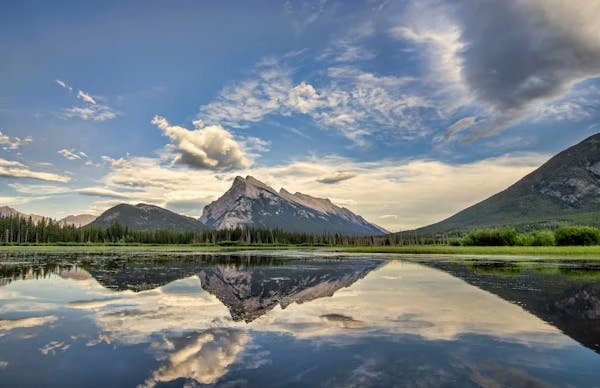
There are places in the world where nature seems to pause, holding its breath in a perfect moment of harmony. Reflection Lake, nestled in the heart of Fairy Meadows, is one such place. Here, the waters lie so still that the mighty Nanga Parbat is reflected upon them like a celestial painting—its snow-capped peaks mirrored with such clarity that for a moment, you wonder where the mountain ends and the sky begins.
Sitting by the lake one early morning, I watched as the first golden rays of sunlight touched the peak of Nanga Parbat, its reflection shimmering softly on the water’s surface. There was a silence so profound, so absolute, that it felt as if time itself had come to a standstill. It was in that moment that I understood why Reflection Lake is more than just a scenic spot—it is an experience, a meditation, a place where the soul finds peace.
Key Attractions: Why Reflection Lake is a Must-Visit
A Perfect Natural Mirror
The lake gets its name from its pristine, glass-like surface, which creates a stunning mirror image of Nanga Parbat and the surrounding pine forests. On a clear day, the reflection is so perfect that it’s hard to tell where reality ends and illusion begins.
The Best Uninterrupted View of Nanga Parbat
While Fairy Meadows offers incredible views, Reflection Lake provides one of the most unique and breathtaking angles of Nanga Parbat, especially during sunrise and sunset. Watching the peak bathed in golden light while its reflection dances on the water is something that stays with you forever.
A Short and Scenic Trek
Unlike the more challenging treks to Raikot Glacier or Nanga Parbat Base Camp, the hike to Reflection Lake is gentle and beginner-friendly, making it accessible to most travelers. The trail is lined with wildflowers in summer, frost-kissed trees in autumn, and soft snow in winter, offering something magical in every season.
A Photographer’s Dream
Golden hour at Reflection Lake is pure magic. Whether it’s the morning mist rising off the water or the crimson hues of sunset reflecting against the icy peak, every moment here is picture-perfect. The contrast of deep green forests, the white snow of Nanga Parbat, and the blue sky creates a stunning composition that’s a dream for landscape photographers.
A Haven for Wildlife Enthusiasts
The lake is a quiet spot where birds, wild goats, and sometimes even snow leopards can be spotted in the distance. It’s also a great place to witness eagles soaring high above, their reflections momentarily breaking the lake’s stillness.
Additional Tips: How to Make the Most of Your Visit
Visit Early Morning or Late Afternoon: The best reflections occur when the wind is still, usually at sunrise or sunset. Midday winds can create ripples on the surface, breaking the mirror effect.
Pack Light but Smart: The trek is not very difficult, but it’s always a good idea to carry water, snacks, and a light jacket—temperatures can drop even in summer.
Bring a Good Camera: While phone cameras can capture the beauty, a DSLR or mirrorless camera with a polarizing filter will take your photography to the next level.
Respect the Silence: Reflection Lake is a place of peace. Lower your voice, soak in the moment, and let nature’s quiet symphony take over.
Camp Nearby for the Best Experience: If you can, spend a night in Fairy Meadows and wake up early to be one of the first to witness the sunrise reflection.
Takeaway: Reflection Lake is a Window to Serenity
Unlike the thrilling challenge of Raikot Glacier or the adventurous spirit of Beyal Camp, Reflection Lake offers something different—a moment of stillness, of peace, of pure natural perfection. It is a place where you don’t just see nature—you feel it, breathe it, become part of it.
For me, it was one of the most tranquil moments I’ve ever experienced—a reminder that sometimes, the most powerful thing we can do is simply be still, watch, and listen.
If you ever find yourself in Fairy Meadows, don’t just stop at the meadows. Take the extra steps to Reflection Lake. Sit by its shores. Watch the world reflected before you. And maybe, just maybe, you’ll see yourself more clearly too.
Things to Do in Fairy Meadows
1. Trekking & Hiking
Fairy Meadows is a paradise for trekkers, with routes ranging from easy trails to challenging hikes leading to Beyal Camp and beyond. The well-maintained trails provide opportunities to witness diverse landscapes and abundant wildlife.
2. Camping Under the Stars
Staying overnight in Fairy Meadows is an experience unlike any other. Whether you choose to stay in a wooden cottage or pitch a tent, the night sky here is a spectacle, with thousands of stars visible due to the absence of light pollution.
3. Photography
From the towering Nanga Parbat to the lush green meadows and vibrant wildflowers, every corner of Fairy Meadows is photogenic. Sunrise and sunset provide especially stunning views worth capturing.
4. Bonfires & Storytelling
Evenings in Fairy Meadows are magical. Many visitors enjoy sitting around bonfires, sharing travel stories, and listening to local folklore told by guides and villagers.
5. Wildlife Spotting
The area is home to various species of wildlife, including ibex, marmots, and Himalayan brown bears. Bird watchers can also spot rare species like the golden eagle and Himalayan monal.
How to Get to Fairy Meadows
- Travel to Gilgit: Fly from Islamabad to Gilgit via PIA (Pakistan International Airlines). Alternatively, take a road trip via the Karakoram Highway, which takes about 14–16 hours from Islamabad.
- Drive to Raikot Bridge: From Gilgit, it’s a 2-3 hour drive to Raikot Bridge.
- Jeep Ride to Tattu Village: The most thrilling part of the journey is a 1.5-hour jeep ride along a narrow, rugged mountain road. Only experienced drivers operate on this route.
- Trek to Fairy Meadows: From Tattu Village, a scenic 3-4 hour trek leads to Fairy Meadows. Horses are available for those who prefer not to trek.
Best Time to Visit Fairy Meadows
- Summer (June – August): Ideal for camping, trekking, and experiencing Fairy Meadows in its full green splendor.
- Spring (April – May): Perfect for wildflower blooms and fewer tourists.
- Autumn (September – October): Offers stunning fall colors, pleasant weather, and fewer crowds.
- Winter (November – March): Snow covers the entire region, making access difficult. Only experienced mountaineers visit during this time.
Additional Tips
- Pack warm clothing, as temperatures drop significantly at night, even in summer.
- Carry enough cash, as there are no ATMs in the area.
- Bring a power bank, as electricity is limited in Fairy Meadows.
- Respect local culture and traditions when interacting with villagers.
- Travel light for the trek, and rent a horse if carrying heavy luggage.
The Takeaway
Traveling in Pakistan is both exciting and accessible because to its varied transportation system. Every type of traveler has an alternative, from the convenience of ride-hailing services to the affordability of buses and trains.
Metro busses, Careem, and Uber are the most convenient means of transportation for brief city excursions. Pakistan’s picturesque train routes and opulent bus services offer comfortable and reasonably priced long-distance travel. The quickest option to travel long distances is still by domestic flight, particularly when traveling to far-flung northern locations.
Are you prepared to travel to Pakistan? Plan your vacation now to take advantage of the amazing nation’s transportation infrastructure!
Explore carefully planned tours to see the best of this fascinating nation. Please get in touch if you would need more travel advice; we are happy to assist you in organizing your upcoming journey! Additionally, by completing this form, you can personalize your journey.
FAQs – Everything You Need to Know
1. Is Fairy Meadows safe for travelers?
Yes, Fairy Meadows is safe for tourists. However, it is always advisable to travel with a local guide and follow safety precautions on the trek.
2. How difficult is the trek to Fairy Meadows?
The trek is moderate in difficulty and takes around 3-4 hours. If you’re not used to trekking, you can hire a horse.
3. Are there hotels in Fairy Meadows?
There are wooden cottages and campsites available, but no luxury hotels. It’s best to book accommodations in advance during peak seasons.
4. Can I visit Fairy Meadows with children?
Yes, but the trek can be challenging for younger kids. Hiring a horse for them is recommended.
5. Are there food options available?
Yes, local lodges and campsites offer simple meals like rice, lentils, chicken, and tea.
6. Do I need a permit to visit Fairy Meadows?
No special permit is required, but some areas beyond Beyal Camp may require special permissions for trekking.
7. What kind of weather should I expect?
Summers are mild during the day but cold at night. Winters bring heavy snowfall and freezing temperatures.
8. Is there mobile network coverage?
Cellular signals are weak or unavailable. Some lodges offer satellite Wi-Fi at an additional cost.
9. Can I visit Fairy Meadows in winter?
It is possible but highly challenging due to snow-covered trails and extreme cold. Most facilities remain closed.
10. What should I pack for my trip?
Warm clothing, sturdy trekking shoes, power banks, a flashlight, sunscreen, and a refillable water bottle.
11. Is Fairy Meadows worth visiting?
Absolutely! It’s one of the most scenic and peaceful locations in Pakistan, offering a perfect mix of adventure and tranquility.

Daniel loves exploring off-the-beaten path destinations and making new friends. Writing blog posts since 2015, Daniel says it helps him to document his travels and cherish them. He loves the fact that what he writes might actually help someone have a better experience in Pakistan and Afghanistan. In his spare time, he loves listening to Tchaikovsky and spend time with his dog Coconut.
Our Most Popular Trips


