Astola Island: Pakistan’s Hidden Island Paradise You’ve Never Heard Of (But Should Visit in 2025)

There are very few places left in the world where the sea sings uninterrupted, where there’s no cell signal to distract you, and where the only skyline you’ll see is a silhouette of rugged cliffs melting into a coral-fringed sea. Astola Island, locally known as “Haft Talar” or “Island of the Seven Hills,” is one such place—wild, raw, and impossibly serene. Located off the coast of Balochistan in the Arabian Sea, Astola is Pakistan’s only offshore island, and yet so few people even know it exists. That mystery, that untouched quality, is exactly what makes it so unforgettable.
The first time I heard of Astola Island, it was spoken of in whispers—like a secret between travelers who had gone off the grid. A friend returned from a sailing trip to Pasni with photos that seemed almost unreal. Crystal-clear waters, untouched beaches, and limestone cliffs that looked more at home in a Mediterranean postcard than in a country known for deserts and mountains. That conversation planted a seed in my mind that wouldn’t stop growing until I found myself sailing toward that uninhabited, mythic place a few months later.
You don’t get to Astola by accident. There are no roads or buses that can take you there. You plan for it, wait for the weather to be just right, and make your way down the Makran Coastal Highway to the dusty port town of Pasni. From there, it’s a two-to-three-hour boat ride on open waters—often thrilling, sometimes choppy, and always breathtaking. And when the island first appears on the horizon, rising like a fortress from the sea, you realize it was all worth it.
As the boat draws closer, you’ll notice Astola isn’t just one flat stretch of sand. It’s a dramatic landscape of layered cliffs, sea caves, coral reefs, and rocky plateaus, with no permanent human settlements and not a single hotel in sight. No shops, no crowds, no litter. Just silence, wind, and water. The kind of nature that doesn’t need to compete for your attention—it commands it by simply existing.
Standing there barefoot on the sun-bleached rocks, I felt something I hadn’t in years: total stillness. There were no engines roaring, no notifications buzzing—just the rhythmic sound of waves crashing against ancient stone. It reminded me of how starved we are, as modern travelers, for experiences that feel real. And in that moment, Astola wasn’t just another destination. It was a gentle rebellion against the idea that everything needs to be packaged, filtered, and crowded to be memorable.
But don’t let the calm fool you—Astola has stories. Legend says the island was once home to Hindu temples and later used by pirates. It’s also an ecological haven, declared a marine protected area, and serves as a nesting ground for endangered green turtles and rare seabirds. Divers explore its underwater caves and coral reefs, biologists study its flora and fauna, and those of us craving solitude come here to remember how big and beautiful the world can be when left alone.
For local tourists, especially from Karachi or Gwadar, Astola is a weekend escape that feels like a leap into another universe. For international travelers, it’s the side of Pakistan they’re almost never shown—blue waters instead of brown landscapes, and adventure instead of fear. It’s not just an island; it’s an idea that Pakistan is far more diverse and rich than the headlines ever show.
So if you’ve ever dreamed of sleeping under the stars with only the ocean for company, if your soul craves somewhere untouched and wild, or if you simply want to go where not many have gone before—Astola is calling. And it’s not just calling to explorers or adventurers. It’s calling to those who are tired of the noise, to the seekers of silence, and to anyone who still believes that the best journeys are the ones that change you quietly, without ever announcing their arrival.
Astola Island isn’t just a place on the map—it’s a place that stays with you long after you’ve left.
Table of Contents

Fun Fact: Astola Island is Pakistan’s largest offshore island and remains completely uninhabited year-round. It has no electricity, no freshwater source, and no mobile network coverage—making it one of the few places in the world where you can truly unplug.
Key Features of Astola Island
Astola, also known as “Haft Talar” (Island of the Seven Hills), is situated about 39 kilometers southeast of the port of Pasni in the Arabian Sea. The island stretches about 7 kilometers in length and 2.5 kilometers in width, comprising a dramatic landscape of rugged cliffs, natural arches, coral reefs, and tidal pools. The area surrounding the island is a declared marine protected zone, home to endangered green turtles, dolphins, and exotic seabirds like ospreys and gulls. The underwater world is equally fascinating, making it a budding spot for snorkeling and scuba diving.
Why Visit Astola Island?
Untouched Nature: The lack of human settlement means pristine beaches, unpolluted waters, and undisturbed ecosystems.
Adventure: The journey to Astola is an experience in itself, including the boat ride through the Arabian Sea.
Marine Biodiversity: Astola’s status as a protected area offers incredible opportunities for wildlife observation.
Stargazing: With zero light pollution, it’s an unmatched spot for watching the Milky Way on a clear night.
Disconnect to Reconnect: It offers a rare opportunity to be completely off-grid.

Best Time to Visit
The ideal months to visit Astola Island are between September and April, when the sea is relatively calm, temperatures are moderate, and there’s minimal chance of monsoon-related disturbances. Avoid going in the peak summer (May to August) due to extreme heat and rough seas.
How to Get There
Reach Pasni Port:
From Karachi, it’s a 7-8 hour drive (around 600 km) on the Makran Coastal Highway to Pasni.
From Gwadar, it’s a shorter 2-hour drive.
Buses and private car hires are available, but a personal vehicle or a tour operator is highly recommended.
Boat from Pasni to Astola:
Hire a local fishing boat or private speedboat from Pasni Harbour. The journey takes 2 to 3 hours depending on the sea conditions.
Always check sea forecasts and travel with an experienced local boatman.
Most boats can be rented for around PKR 50,000 to 100,000, which can be split among 6-10 people.
Where to Stay
There are no hotels or permanent accommodations on Astola Island. Travelers must bring:
Tents (preferably wind-resistant)
Sleeping bags or mats
Food and freshwater
Portable cooking gear
Some travelers prefer to camp overnight on the island, while others do a round trip within a day. If camping, be prepared for zero facilities.
Major Activities
Snorkeling and Diving: The surrounding coral reefs are ideal for marine exploration. You can bring your own gear or coordinate with a tour operator for equipment.
Fishing: Local fishermen are often happy to help set up a fishing expedition using traditional techniques.
Tide Pooling and Shell Hunting: The island features natural tide pools that trap a variety of marine life including starfish, crabs, and small fish. This activity is perfect during low tide, especially for nature enthusiasts and families.
Bird Watching: Astola is home to rare migratory birds and coastal species. With a pair of binoculars, you can easily spot ospreys, egrets, herons, and gulls in their natural habitat.
Photography: From stunning coastal cliffs and sea arches to vivid coral life and magical sunsets, Astola is a dream for landscape and nature photographers.
Star Gazing: The absence of artificial lighting makes it one of the darkest and clearest spots in Pakistan for watching the night sky. Lay back on the beach and watch constellations, planets, and meteor showers.
Nature Walks: While the terrain is rugged, it is perfect for exploratory walks. You can hike to the top of the cliffs for panoramic views of the Arabian Sea.
Meditation and Yoga: The tranquility of the island makes it an excellent location for spiritual or wellness retreats. Early mornings and sunset hours offer peaceful atmospheres ideal for meditation.
Kayaking and Boating: For more adventurous travelers who bring their own inflatable kayaks, the calm waters near the island’s southern side are suitable for light paddling.
Camping and Bonfires: Enjoy an overnight stay with a cozy bonfire. Remember to bring firewood and fire starters, and keep safety and environmental impact in mind.
Additional Tips and Safety Measures
Pack Essentials: Sunscreen, hat, sunglasses, first aid kit, and extra water are non-negotiable.
Weather Awareness: Always check the weather forecast before traveling. Boats may not operate in rough seas.
Local Guidance: Hire a local guide or go with an established tour operator for safety and convenience.
Eco-Consciousness: Carry all your trash back with you. Do not harm coral reefs or disturb wildlife.
Stay Hydrated: Carry enough water for the entire duration of your trip. There is absolutely no freshwater source on the island.
Emergency Backup: Carry a satellite phone or notify someone back home of your itinerary in case of emergencies.
Avoid Solo Travel: The island is remote. It’s safer and more enjoyable to travel in a group.

Suggested Itinerary for a 2-Day Trip
Day 1:
Early morning departure from Karachi
Reach Pasni by afternoon
Board a boat by 3 PM to reach Astola before sunset
Set up camp, explore the area, and prepare dinner
Enjoy a night of stargazing
Day 2:
Early morning snorkeling and exploring tide pools
Light breakfast and pack up
Depart by late morning back to Pasni
Return to Karachi or Gwadar by evening
Responsible Tourism: A Final Word on Preservation
Astola Island is still untouched because it has been overlooked. As interest grows, so does the potential for human impact. It is crucial that travelers take responsibility for preserving this rare gem. Avoid loud noises, do not use plastic irresponsibly, and do not leave behind any waste.
The future of Astola as a pristine destination depends entirely on the choices made by the few who are lucky enough to visit it. Treat it with respect, and it will give you a memory of a lifetime.
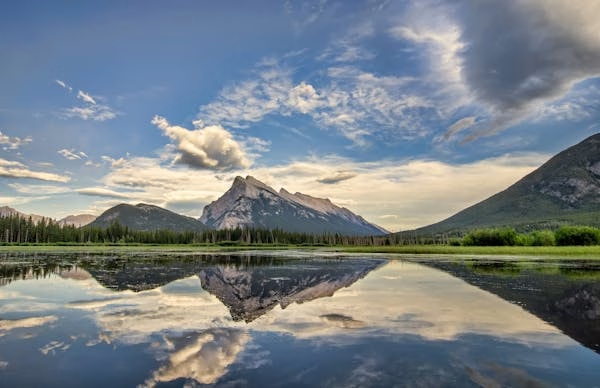
Few places in the world leave you speechless, not because of grandeur or luxury, but because of silence—the kind that stretches across the sea, brushes against your skin with the salty wind, and invites you to sit still for a moment. Astola Island is one of those places. It doesn’t impress with facilities or thrill you with convenience. Instead, it humbles you.
I still remember the feeling of stepping onto the island for the first time. The boat had stopped just offshore, and we waded through knee-deep water onto the beach. There was no one there. Just the sound of the sea crashing into cliffs and the occasional call of a gull soaring above. It felt like a forgotten world—a stretch of land held in pause, waiting only for those willing to meet it on its terms.
Camping under the stars on Astola was unlike any other outdoor experience I’ve had. There were no phone signals, no glowing screens, no background hum of city life. Just a flickering fire, the endless black sky, and the Milky Way pouring itself across the heavens. It’s in such places that you remember the weight of silence and the value of simplicity. It reminded me of how little we truly need to feel connected—not just to nature, but to ourselves.
Astola is not for everyone. It demands preparation, patience, and respect. It’s raw, untamed, and absolutely worth it for those willing to surrender the comforts of modern tourism in exchange for authenticity. Here, you’ll learn to pitch a tent in the wind, cook your own food, share stories around a fire, and wake up to the sun rising over the sea. You’ll marvel at the resilience of life—both in the coral reefs beneath and the seabirds above. And, perhaps most importantly, you’ll realize how rare places like this still are.
As tourism begins to trickle into Astola, we must approach it with a preservationist’s mindset. It’s not just another Instagram location; it’s an ecosystem, a sanctuary, and a piece of history. Pack your gear, bring your sense of adventure, but also carry your responsibility as a guest. Leave no trash, disturb no wildlife, and share only stories—not souvenirs from the reef.
So, if you’re yearning for a travel experience that strips away the noise, challenges your comfort zone, and delivers moments of pure, unfiltered beauty—then Astola Island is waiting. But don’t go just to “tick a box” or to be the first among your friends. Go because you need to feel something different. Go because you want to be a better traveler. Go because places like Astola—still wild, still sacred—won’t exist for long if we don’t protect them.
The island doesn’t promise you much. But if you listen closely, it offers you something precious: a reset. And that, in today’s world, might be the rarest treasure of all.
The Takeaway
Traveling in Pakistan is both exciting and accessible because to its varied transportation system. Every type of traveler has an alternative, from the convenience of ride-hailing services to the affordability of buses and trains.
Metro busses, Careem, and Uber are the most convenient means of transportation for brief city excursions. Pakistan’s picturesque train routes and opulent bus services offer comfortable and reasonably priced long-distance travel. The quickest option to travel long distances is still by domestic flight, particularly when traveling to far-flung northern locations.
Are you prepared to travel to Pakistan? Plan your vacation now to take advantage of the amazing nation’s transportation infrastructure!
Explore carefully planned tours to see the best of this fascinating nation. Please get in touch if you would need more travel advice; we are happy to assist you in organizing your upcoming journey! Additionally, by completing this form, you can personalize your journey.
FAQs – Everything You Need to Know
1. Is Astola Island safe to visit?
Yes, Astola Island is generally safe for visitors who are well-prepared and travel with experienced local guides. However, because it is remote with no emergency services, it’s important to bring safety gear, stay informed about weather conditions, and avoid traveling alone.
2. Do I need a permit to visit Astola Island?
Currently, no official permit is required for Pakistani or foreign tourists to visit Astola Island. However, it’s recommended to inform the local authorities or coastguards at Pasni before departure, especially for overnight stays.
3. How much does it cost to travel to Astola Island?
The main cost is the boat rental from Pasni to Astola, which ranges from PKR 50,000 to 100,000 per trip. This cost can be shared among a group. Additional expenses include food, camping gear, transportation to Pasni, and guide fees if applicable.
4. Can I go to Astola Island without a tour operator?
Yes, independent travel is possible, but not recommended unless you are experienced in remote adventure travel. Tour operators provide valuable local knowledge, safety support, and equipment, making your trip smoother and safer.
5. Is there mobile signal or internet access on Astola Island?
No, there is no mobile coverage or internet on the island. You’ll be completely off-grid, so inform friends or family of your plans before departure and consider carrying a satellite phone in case of emergencies.
6. What kind of food should I bring to Astola Island?
Bring non-perishable, ready-to-eat items like canned food, dry fruits, snacks, instant noodles, and lots of drinking water. There are no shops or sources of food and water on the island, so plan all meals in advance.
7. What are the best months to go to Astola Island?
The best time to visit is between September and April. Avoid the summer monsoon season (May to August) due to high temperatures and unpredictable sea conditions that make boat travel dangerous.
8. Are there any hotels or huts on the island?
No, Astola is completely uninhabited and undeveloped. There are no buildings, huts, or restrooms. You must bring your own camping equipment and prepare to rough it in the wild.
9. Can families with children visit Astola Island?
While it’s technically possible, it’s not advisable unless the children are old enough to handle rough conditions. There are no medical facilities, shade structures, or safety nets, so extra precautions are necessary for young travelers.
10. Is it possible to snorkel or dive at Astola Island?
Yes, Astola has great spots for snorkeling and free diving thanks to its coral reefs and clear waters. Bring your own gear or coordinate with a tour operator in advance. Always check tides and currents for safety.
11. What should I do with my trash after the trip?
You must carry back everything you bring. Leave no waste behind. Use reusable containers, avoid plastic packaging, and collect all garbage to dispose of responsibly on the mainland. Preserving the island is every traveler’s responsibility.

Daniel loves exploring off-the-beaten path destinations and making new friends. Writing blog posts since 2015, Daniel says it helps him to document his travels and cherish them. He loves the fact that what he writes might actually help someone have a better experience in Pakistan and Afghanistan. In his spare time, he loves listening to Tchaikovsky and spend time with his dog Coconut.
Our Most Popular Trips


